

I explore nature as a dynamic computational process, using generative algorithms to simulate alternative natural forms that could exist but don’t. By materializing these patterns through 3D printing and exhibiting them alongside real specimens, my work invites viewers to imagine the vast, unrealized possibilities hidden within nature’s code.
Project Video
Abstract
Are the natural patterns we observe merely one manifestation within an infinite field of possibilities? Could a snowflake be understood as just a single sample drawn from a vast computational universe of potential forms? Through computation, I explore and render visible the countless alternative realities that nature could take.
Since the advent of computation, mathematicians and scientists have developed generative systems such as L-systems and cellular automata that model the formation of natural patterns. It is remarkable how simple rules, when applied recursively and influenced by randomness, can produce astonishingly complex results. These outcomes collectively form what Stephen Wolfram calls a computational space, a vast terrain of all patterns that are computationally possible.
Yet, not every possibility within this computational space is realized in the natural world. Nature selects only a narrow subset of patterns, constrained by physical laws, environmental conditions, and material limitations. As a result, the vast majority of computable forms remain unsampled.
Generative algorithms allow us to venture into uncharted territories of this computational landscape. Through extensive coding experiments, I use nature-inspired algorithms not only to replicate familiar forms, but also to imagine an alternative nature—one that could exist under different parameters or rules.
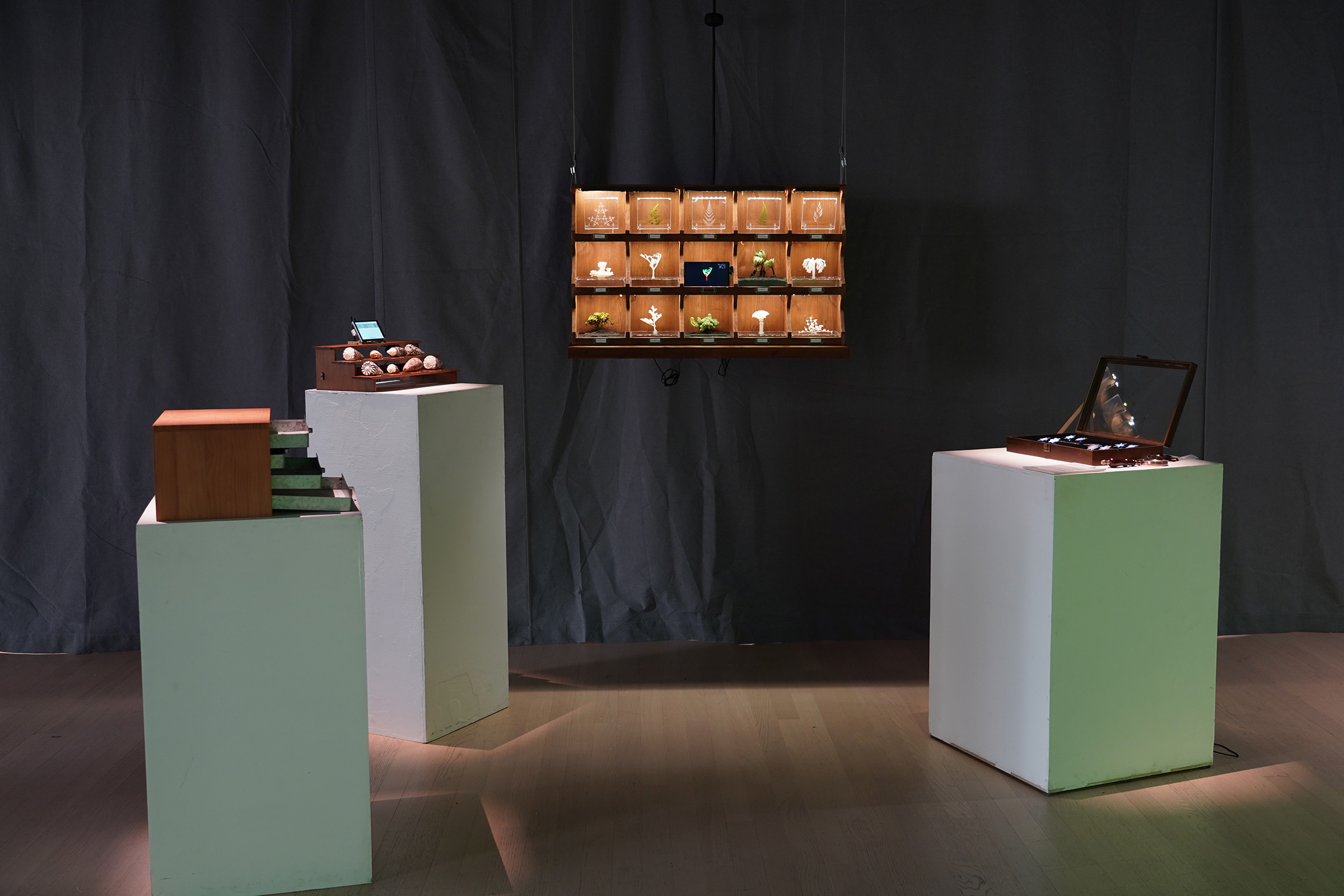
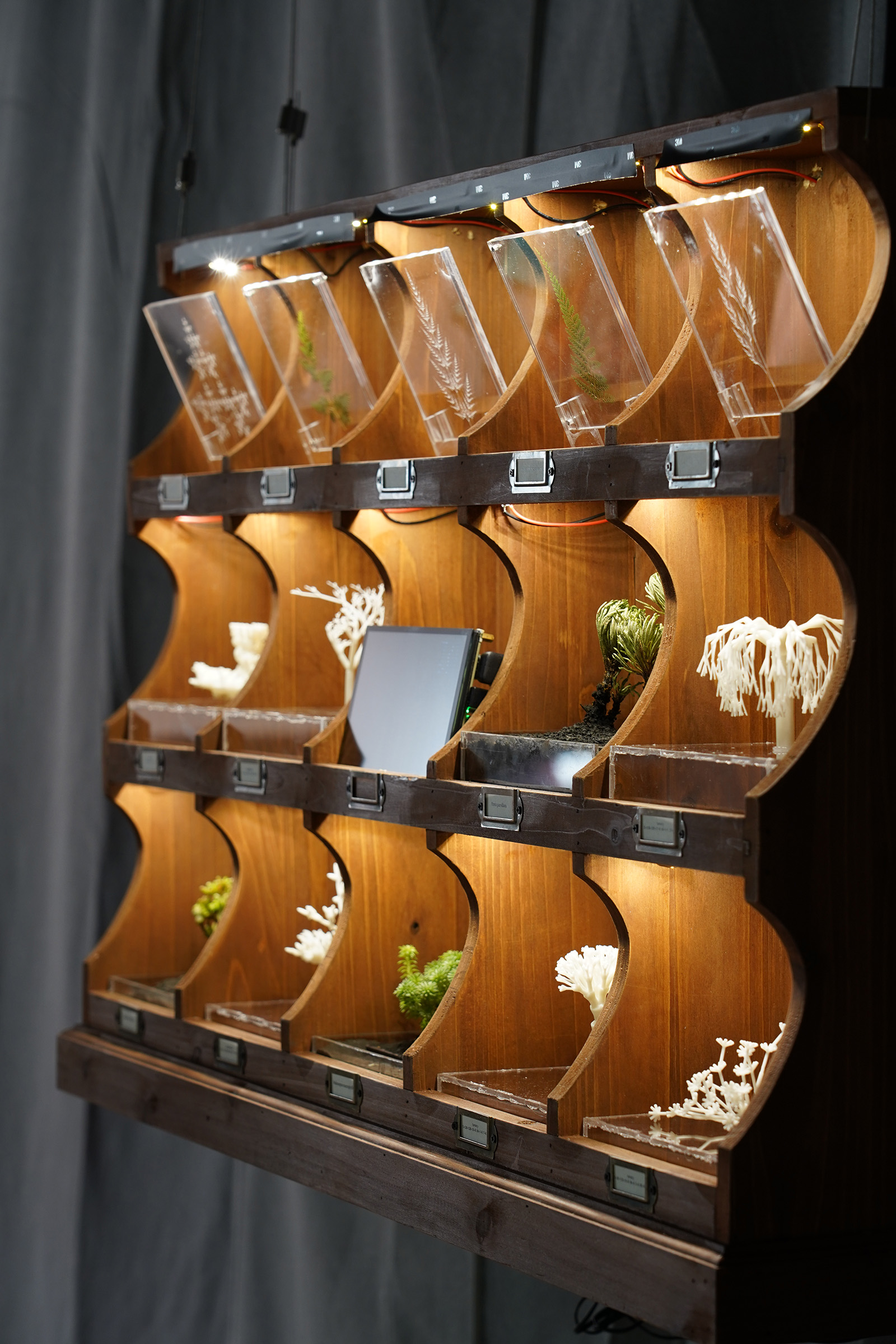
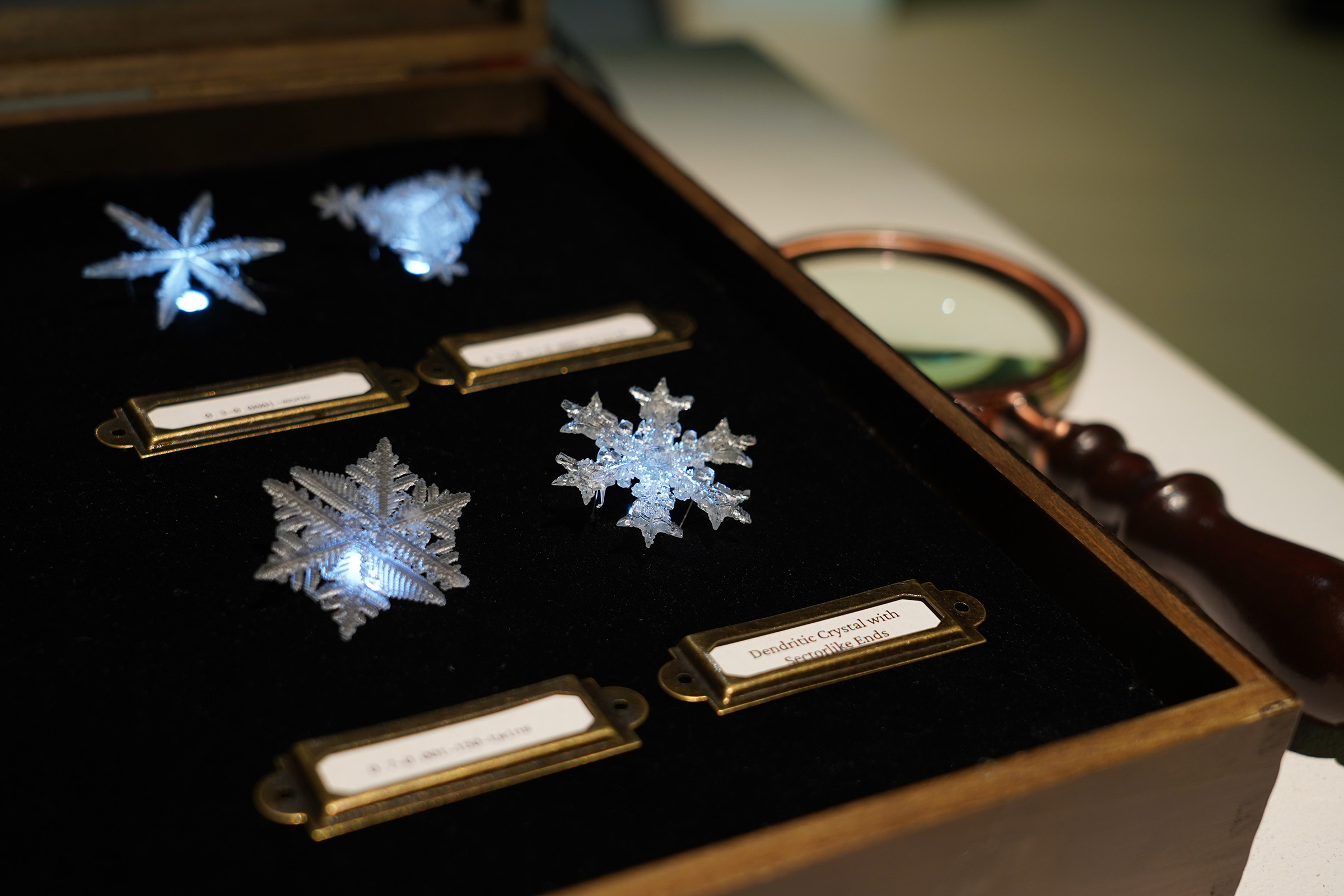
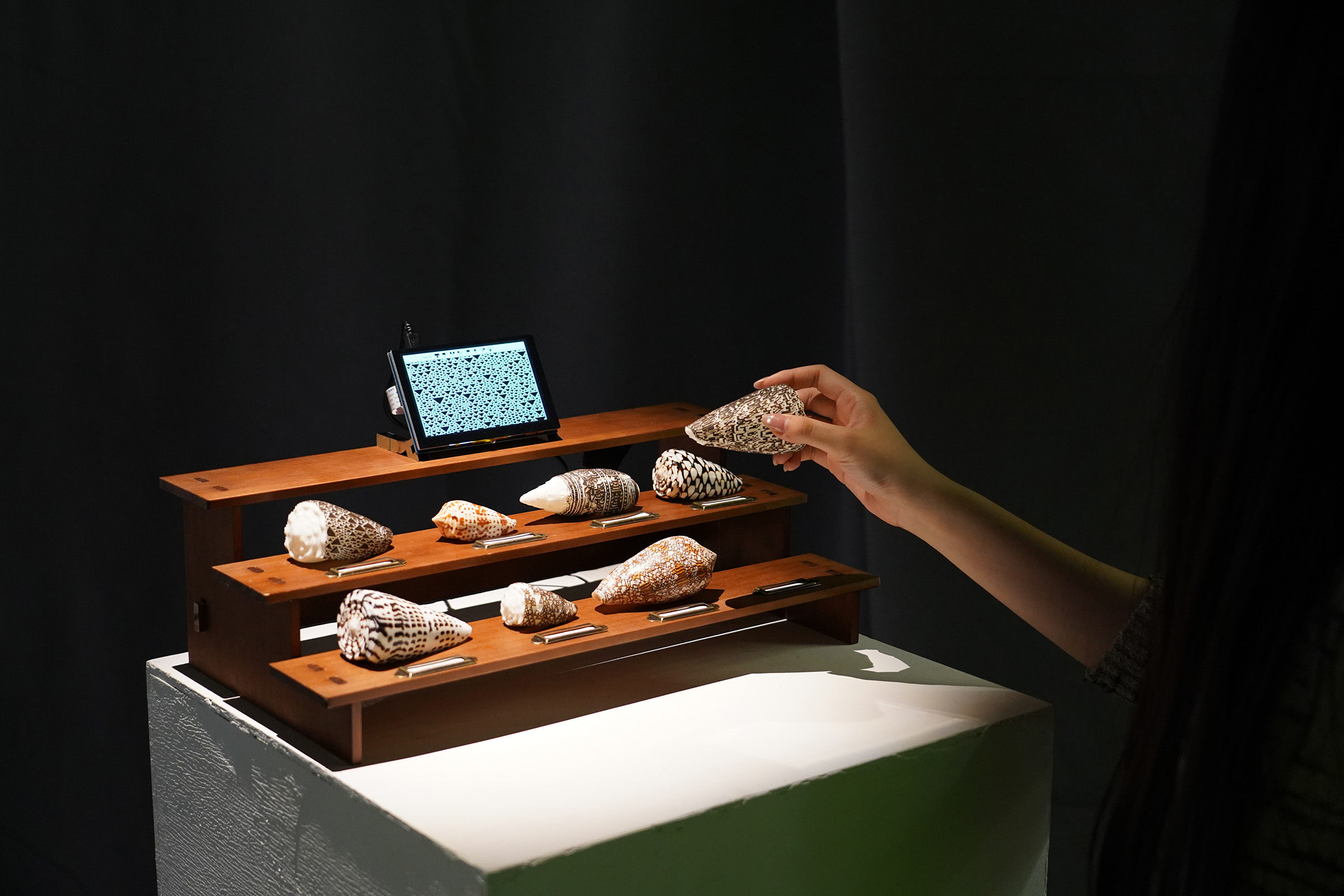
In three main explorations—plant branching, snowflake formation, and shell surface structures—I deliberately manipulated parameters to generate unfamiliar yet strangely recognizable forms. These artifacts evoke a sense of uncanny familiarity, as if they belong to a parallel natural world governed by alternate laws. This process acts as a method of sampling from the unexplored edges of the computational space.
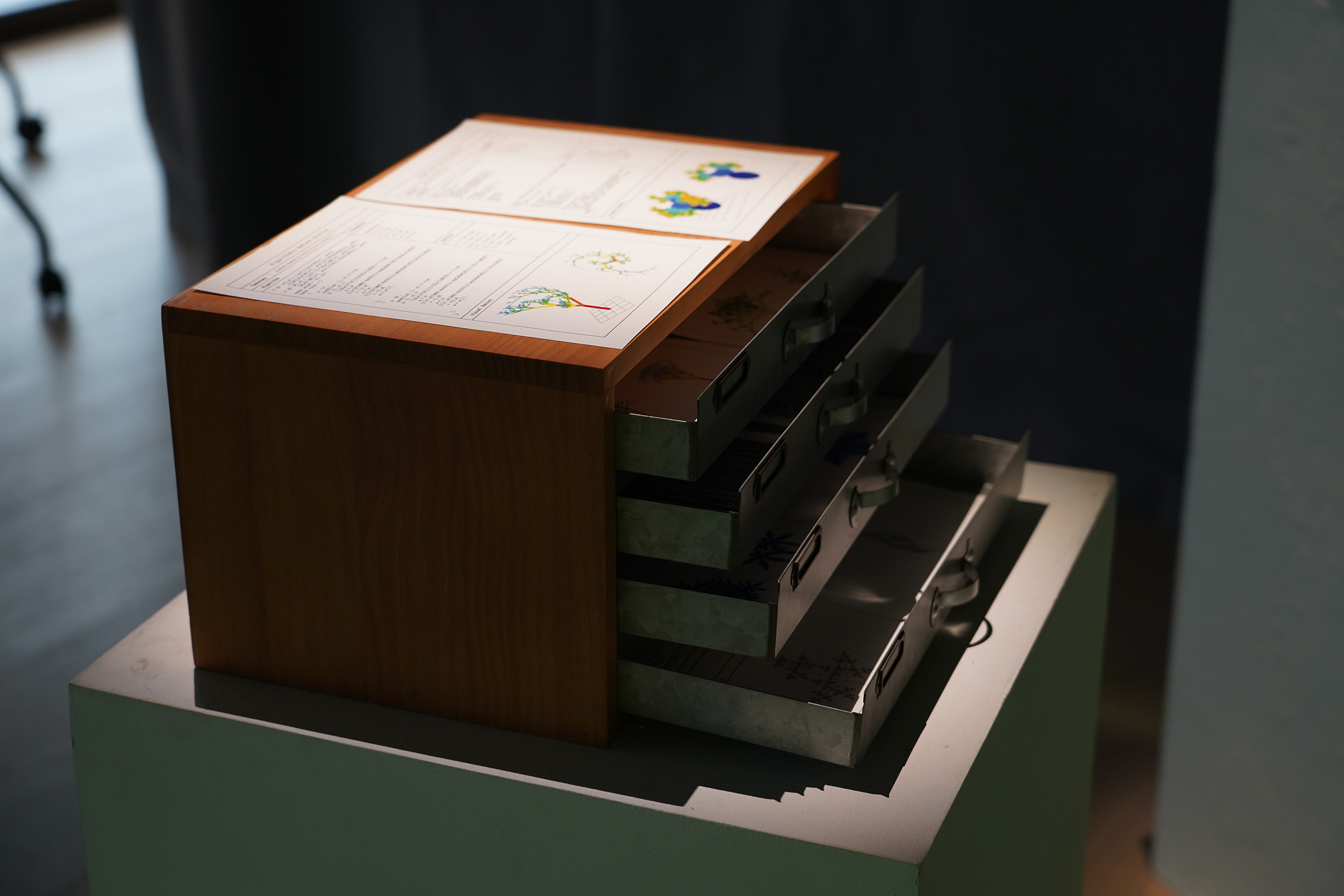
I then materialize these digital forms through 3D printing, transforming them from code into tangible objects. These generative artifacts are exhibited alongside real natural specimens in a natural history museum setting, creating a dialogue between the known and the possible. Simultaneously, animated videos of the generative processes play across screens, guiding the audience through a journey inside the computational space and emphasizing the dynamic unfolding behind static forms.
This project invites viewers to perceive nature not as a fixed collection of forms, but as an ongoing process of dynamic computation. Is our world, in essence, a constantly running algorithm? From this perspective, patterns are not predefined but emerge from a fluid computational process, possibly even hinting at a deeper form of intelligence. Through this process of individuation, where entities arise from a pre-individual field, we arrive at the specific, static manifestations we recognize as natural patterns.
Photos
Project Logbook
GitHub: https://github.com/XiaozaoWang/capstone
Keywords: Generative Art, Computational Nature, Speculative Design, Science-Inspired Art, Multimedia Installation
Copyright Statement: https://docs.google.com/document/d/1NSDM0H0bGnBDsRKcjFIHWg2r4pjArDeoZFB…