

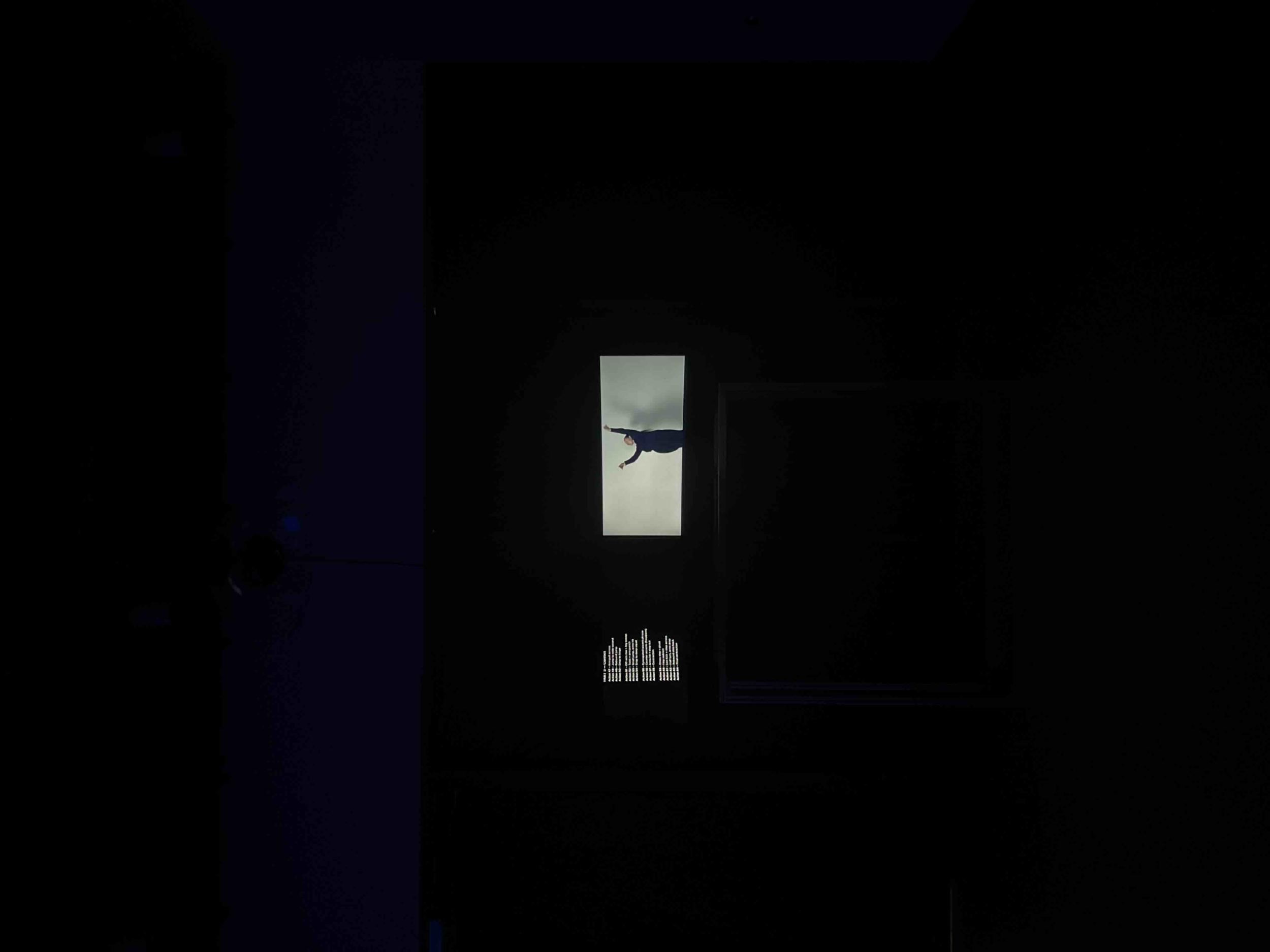
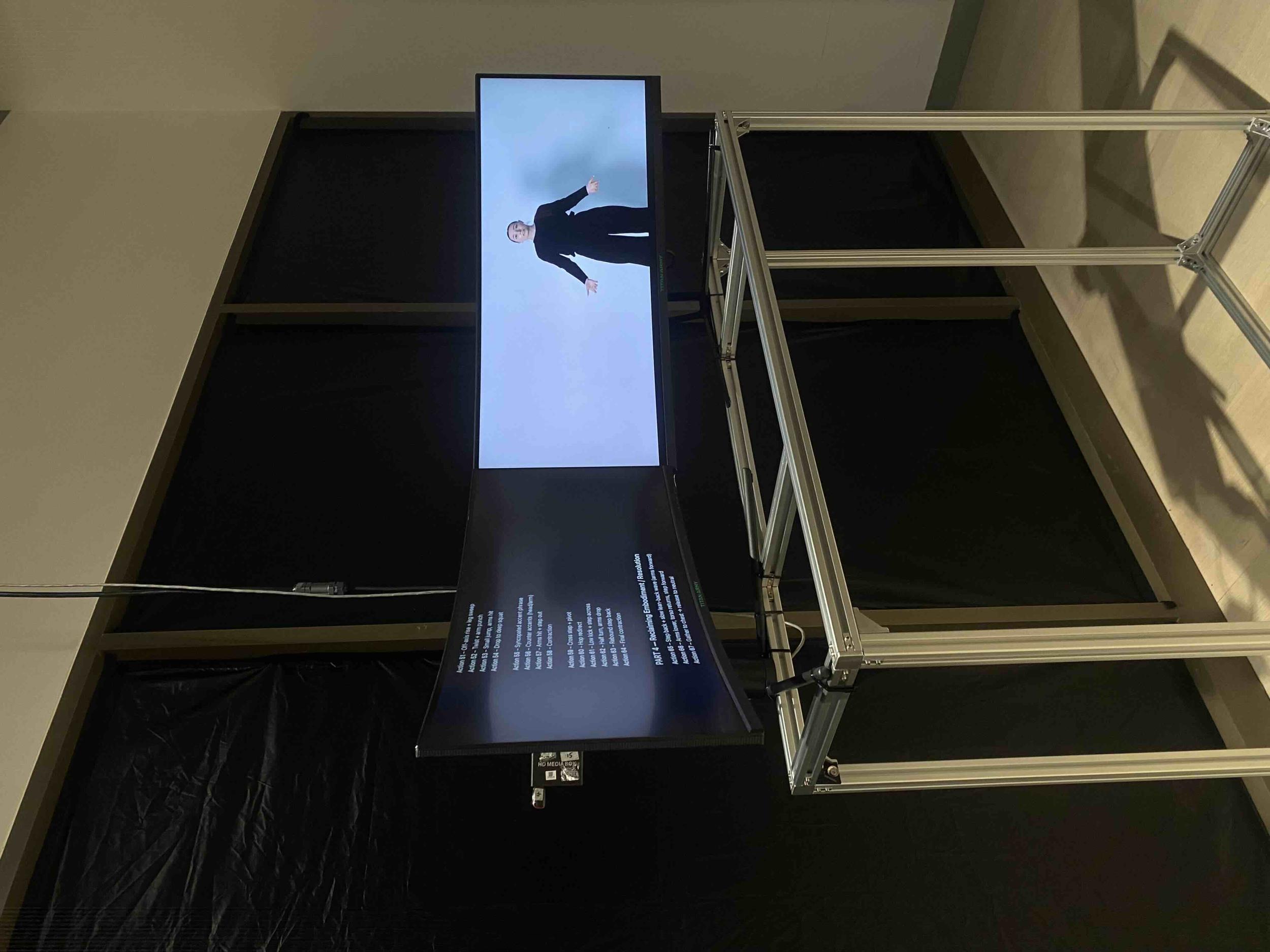
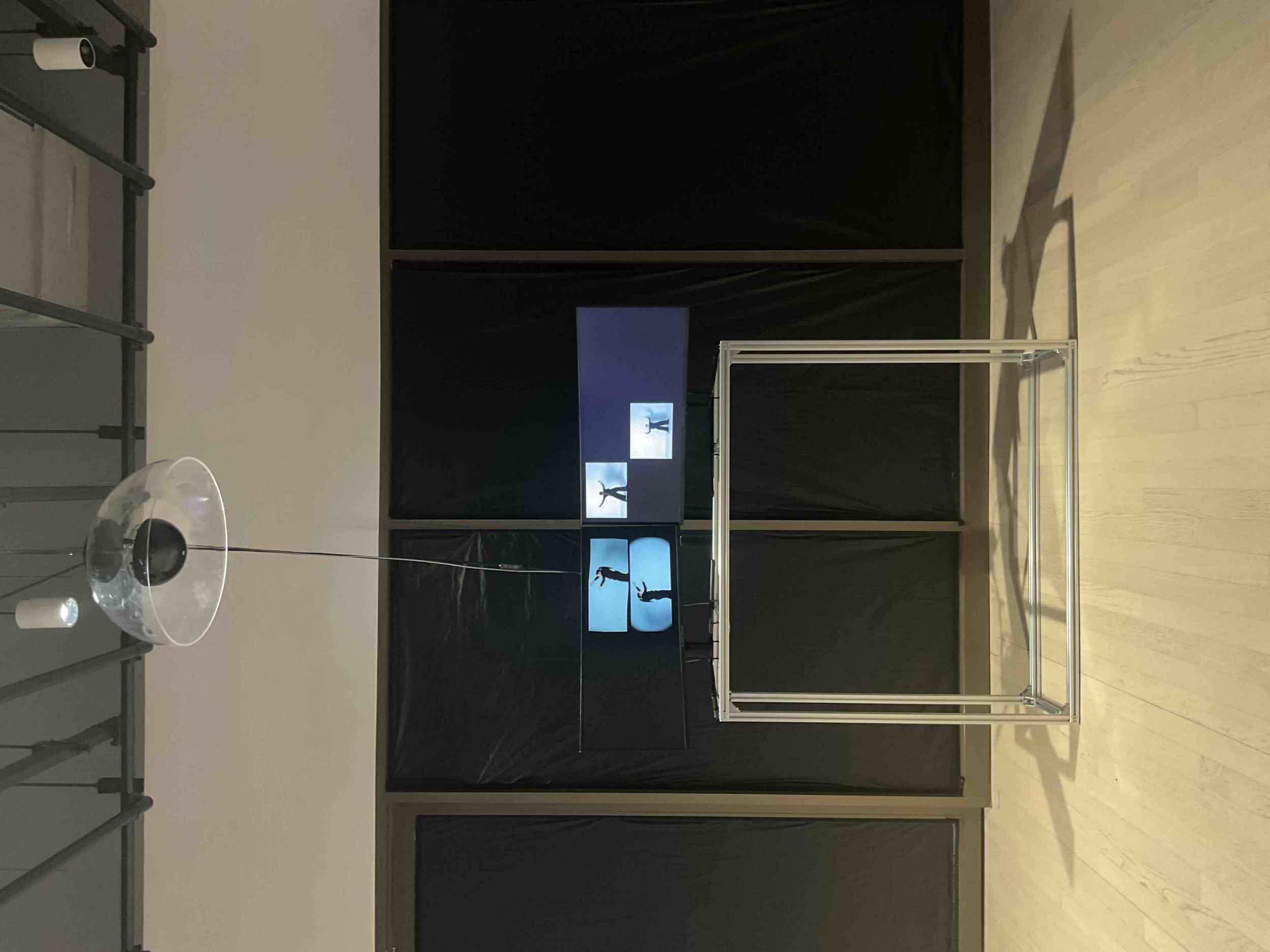
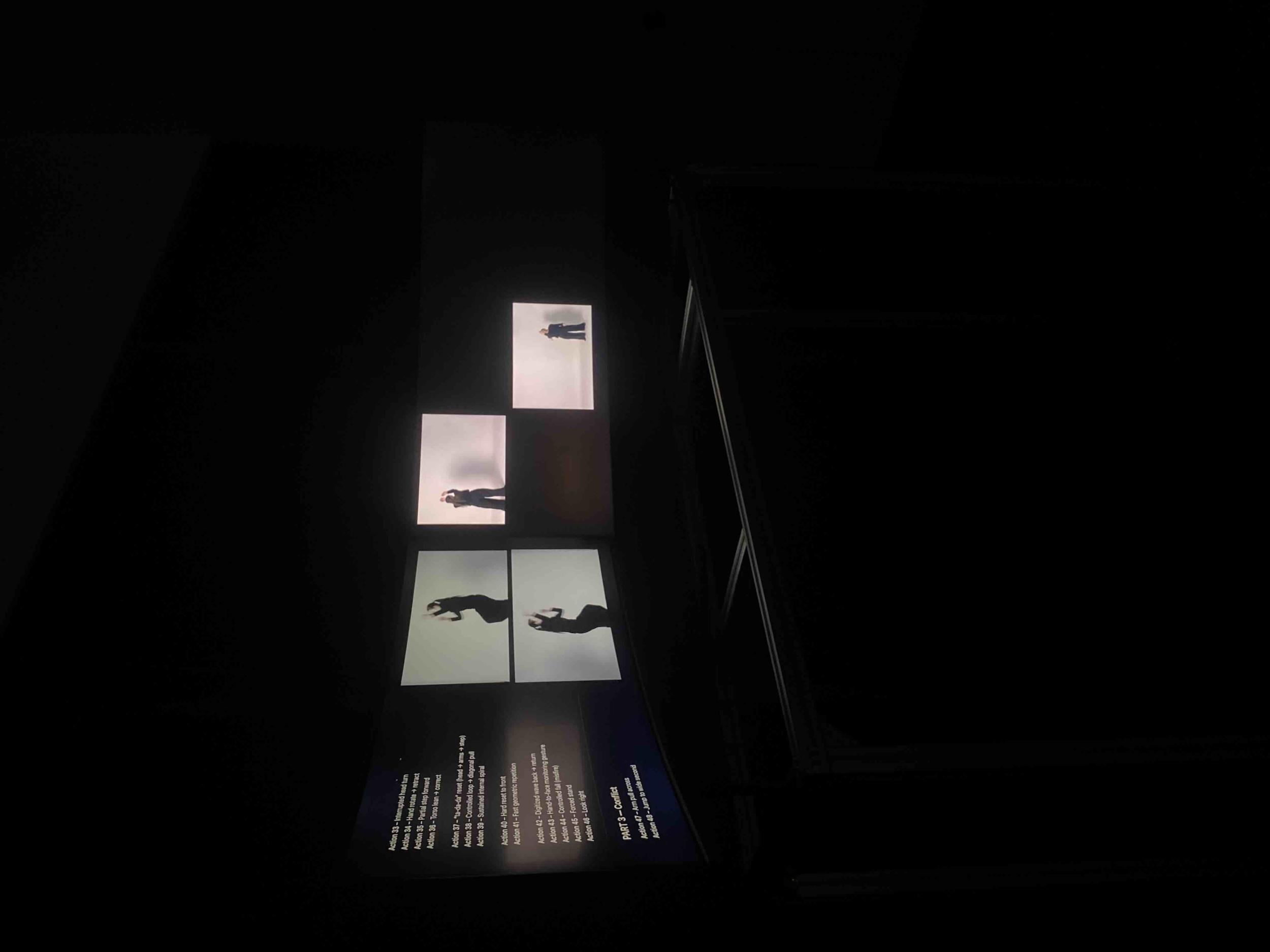
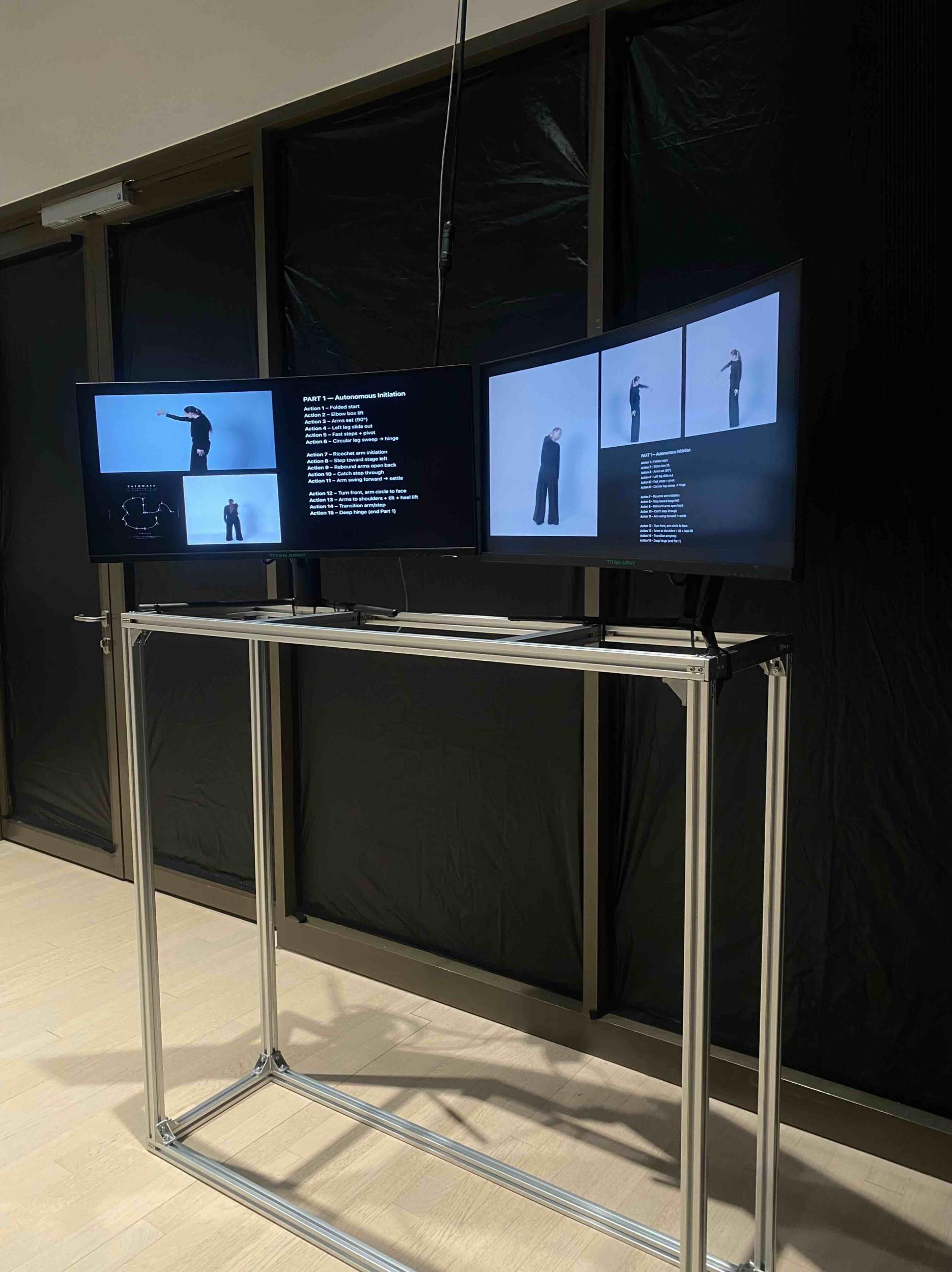
The Choreographic Duet is an immersive two-screen video installation exploring choreography as a collaborative dialogue between dancer and artificial intelligence. The installation combines a choreography co-created with ChatGPT alongside AI-generated pathways, textual movement descriptions, synchronized visuals, sound, and experimental editing to transform the choreographic process into an immersive spatial experience.
Project Video
Abstract
The Choreographic Duet is an immersive video installation exploring the evolving relationship between choreography and artificial intelligence through the process of co-creating movement with large language models. The project investigates what happens when choreography is no longer created by a single mind, but instead emerges through an ongoing dialogue between dancer and machine. By questioning ideas of authorship, creativity, embodiment, and translation in the digital age, the work positions artificial intelligence not as a replacement for artistic practice, but as a collaborative system capable of reshaping choreographic thinking itself. At the center of the project is a four-part choreographic work developed through continuous textual exchange between myself and ChatGPT. The choreography is both the subject and the result of the research process: a dance about collaborating with AI that was itself conceptually and structurally co-created through AI interaction. Through prompt engineering, linguistic experimentation, and movement analysis, choreography became a process of communication in which movement phrases could be generated, modified, analyzed, reorganized, and reinterpreted through language. As part of this research, I developed BASTE+, an expanded choreographic framework based on the existing BASTE system and informed by my choreographic and teaching experience. BASTE+ functions as a co-creative methodology designed to improve communication between dancers and AI systems. The framework structures choreography through iterative textual dialogue, allowing movement to exist simultaneously as embodied action, written description, directional pathway, and digital interpretation. Through this process, choreography is transformed into data that can be translated by AI and returned as new creative possibilities for the body. The final installation translates this invisible collaborative process into a spatial and immersive environment. Presented through synchronized dual screens, the work combines choreographic performance footage, AI-generated motion pathways, textual movement descriptions, layered editing, glitches, and sound design into a fragmented visual landscape. The editing structure follows the choreography itself, gradually shifting from slower and more readable compositions into increasingly distorted and unstable visual systems. Rather than concealing technological imperfections, The Choreographic Duet embraces glitches, interruptions, mistranslations, and moments of unpredictability as part of its choreographic language. Existing between human intention and machine interpretation, the installation asks whether errors and distortions generated through AI collaboration can become a new form of creative imagination. Ultimately, the project proposes choreography not as a fixed physical product, but as a constantly shifting conversation between movement, language, technology, and interpretation.
Photos
Project Logbook
Keywords: Artificial Intelligence, Choreography, Co-creation, Multiscreen Installation, Video Documentation
Copyright Statement
The Choreographic Duet was created by Dana Zinchenko using original choreography, video production, editing, installation design, and research. Artificial intelligence tools, including ChatGPT, were used as part of the choreographic co-creation, prompt engineering, textual development, and conceptual research process. AI-generated sound elements were created using Suno AI.
The project also includes the track “Here Come the Bad Guys” sourced from a royalty-free/public sound library for video editing purposes. References related to the BASTE framework, choreography research, AI theory, and supporting academic sources can be found in the bibliography section of the written research component of this project.
This project was further developed with guidance and feedback from my academic advisors and professors, whose input supported both the conceptual development and technical execution of the installation.
All filmed performance footage, installation design, editing, and final artistic decisions are original works created by Dana Zinchenko unless otherwise stated.