

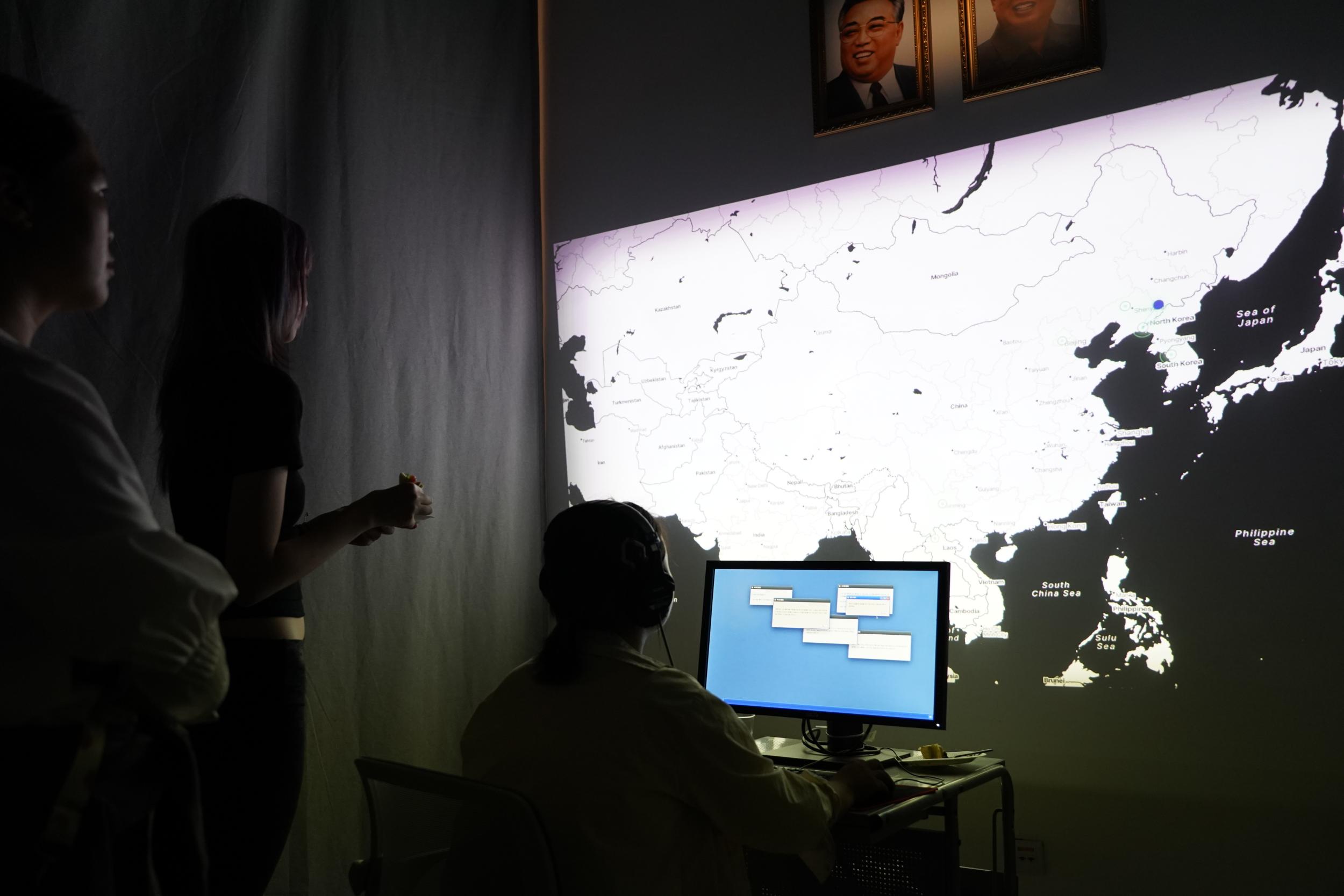
A Long Way South is a web-based interactive installation about North Korean defector journeys. Through a projected map, 3D scenes, sound, and fragmented storytelling, the project invites viewers to follow the long and indirect route toward South Korea while understanding defection as a complex human journey shaped by waiting, risk, dependency, and adaptation.
Project Video
Abstract
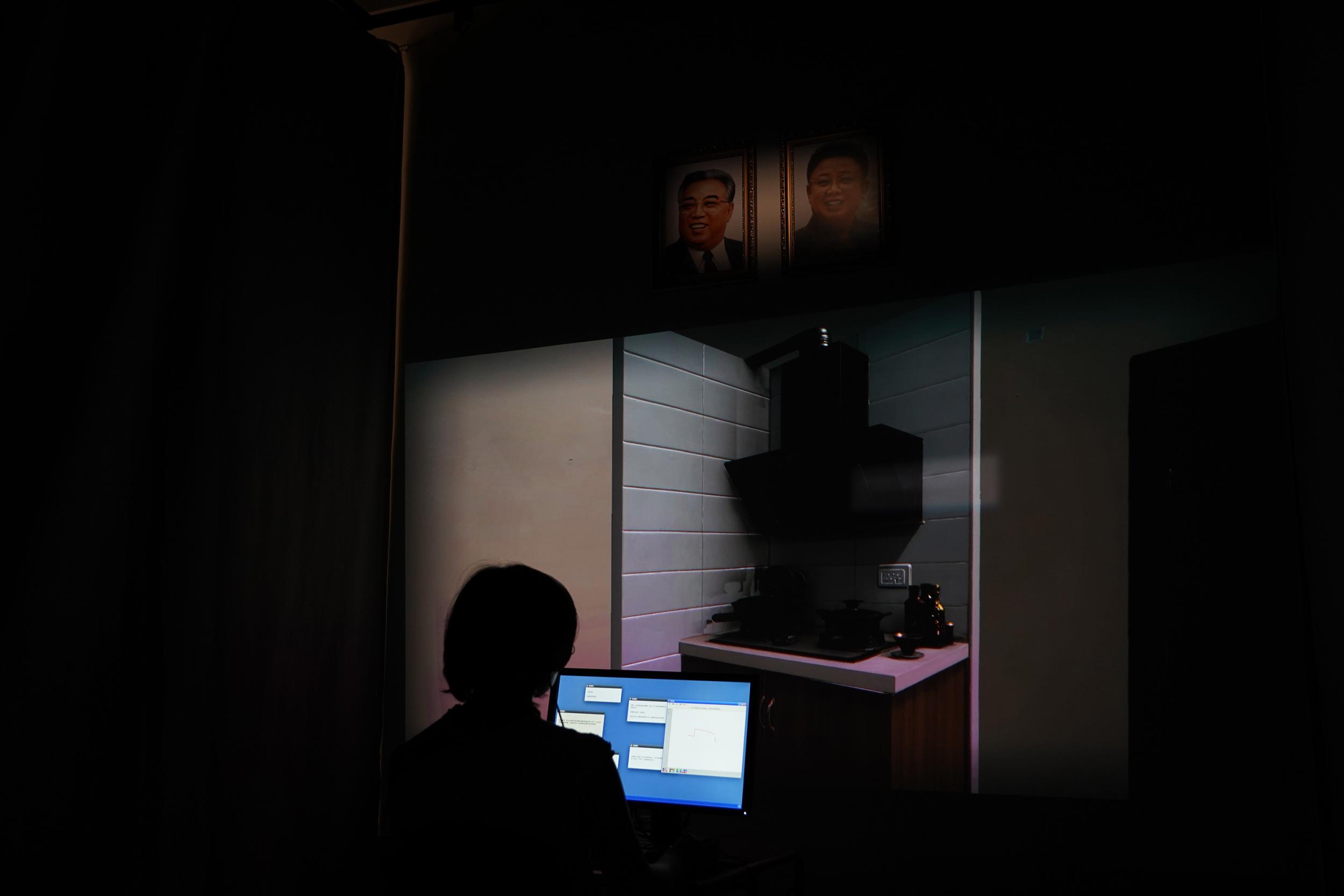
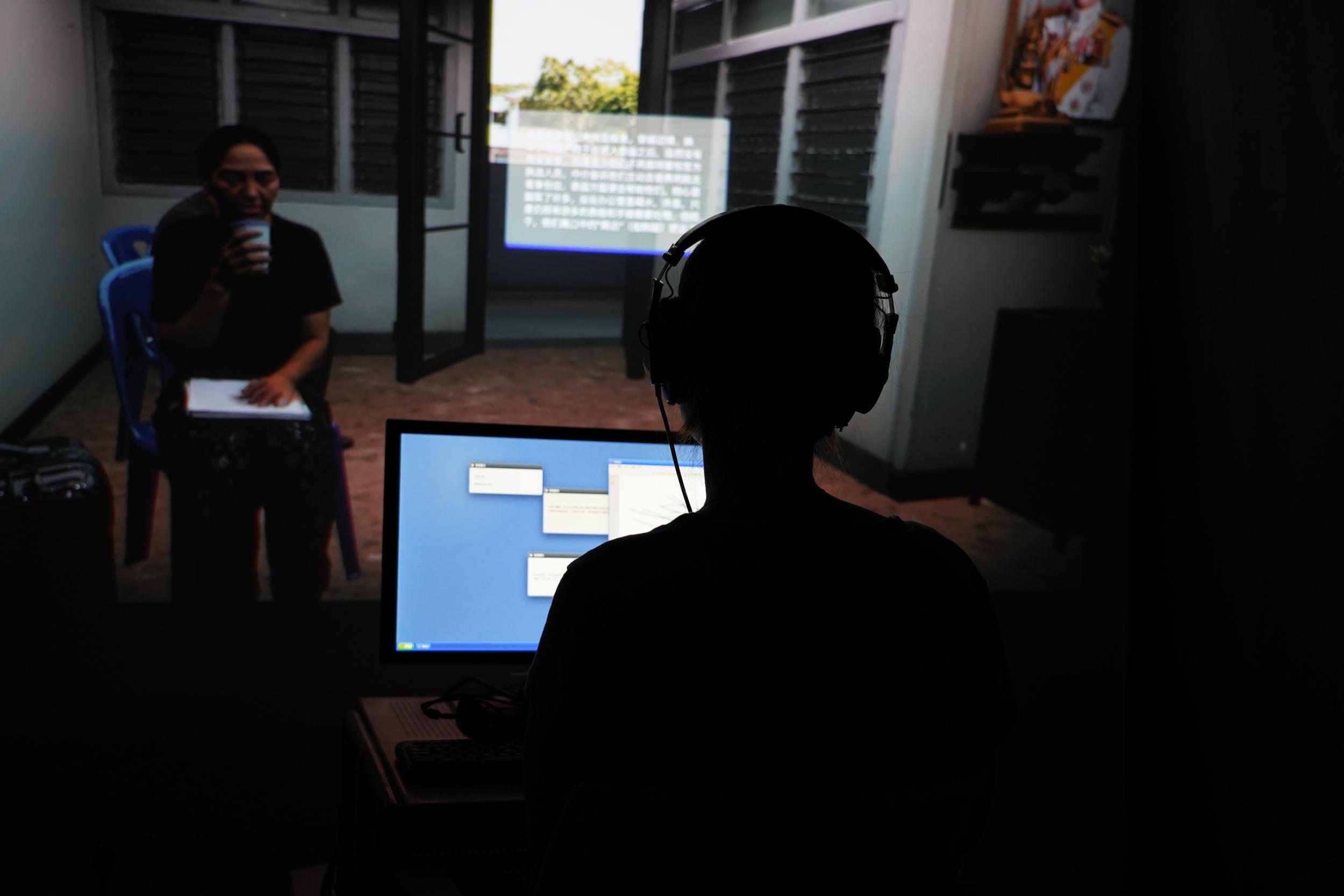
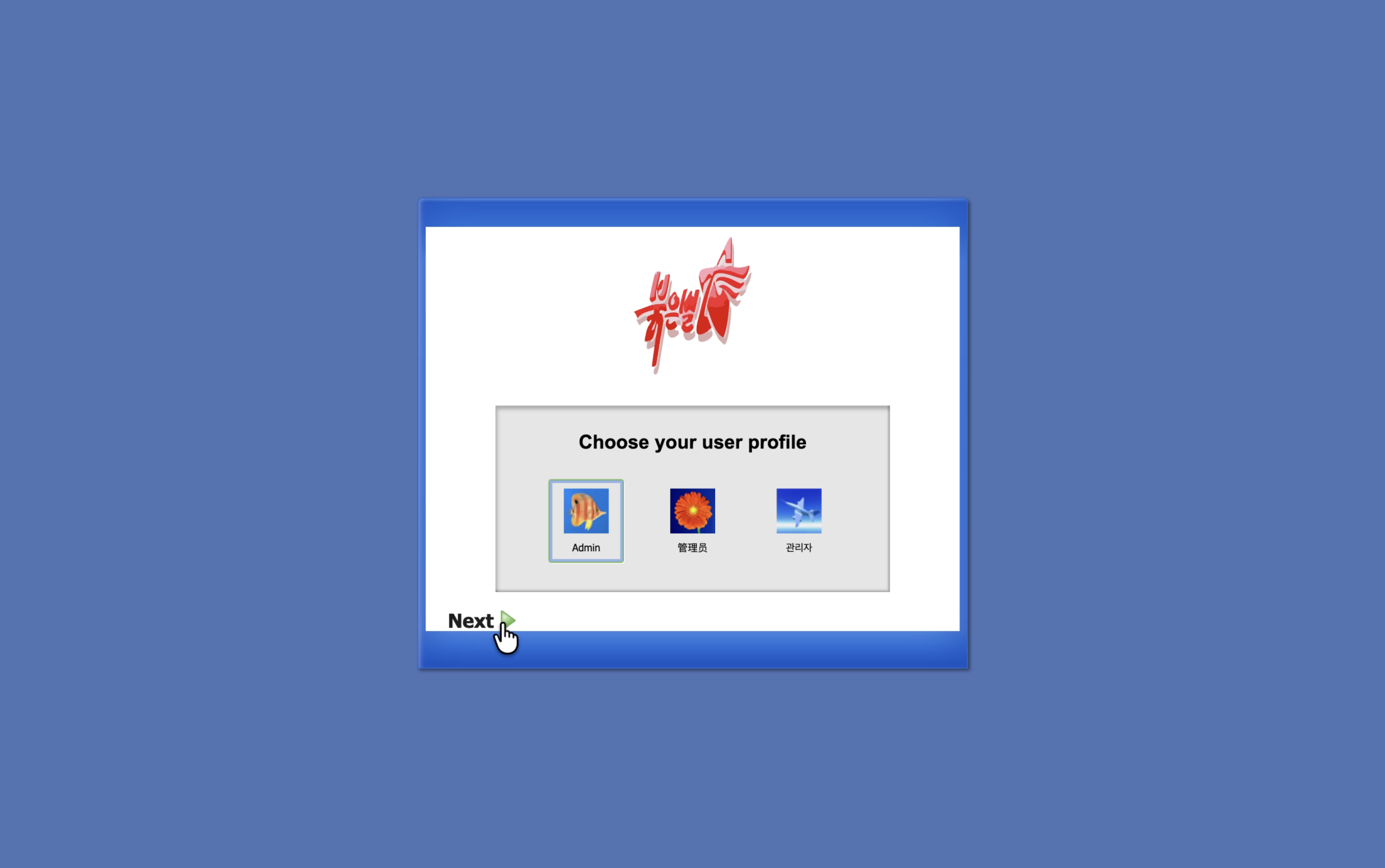
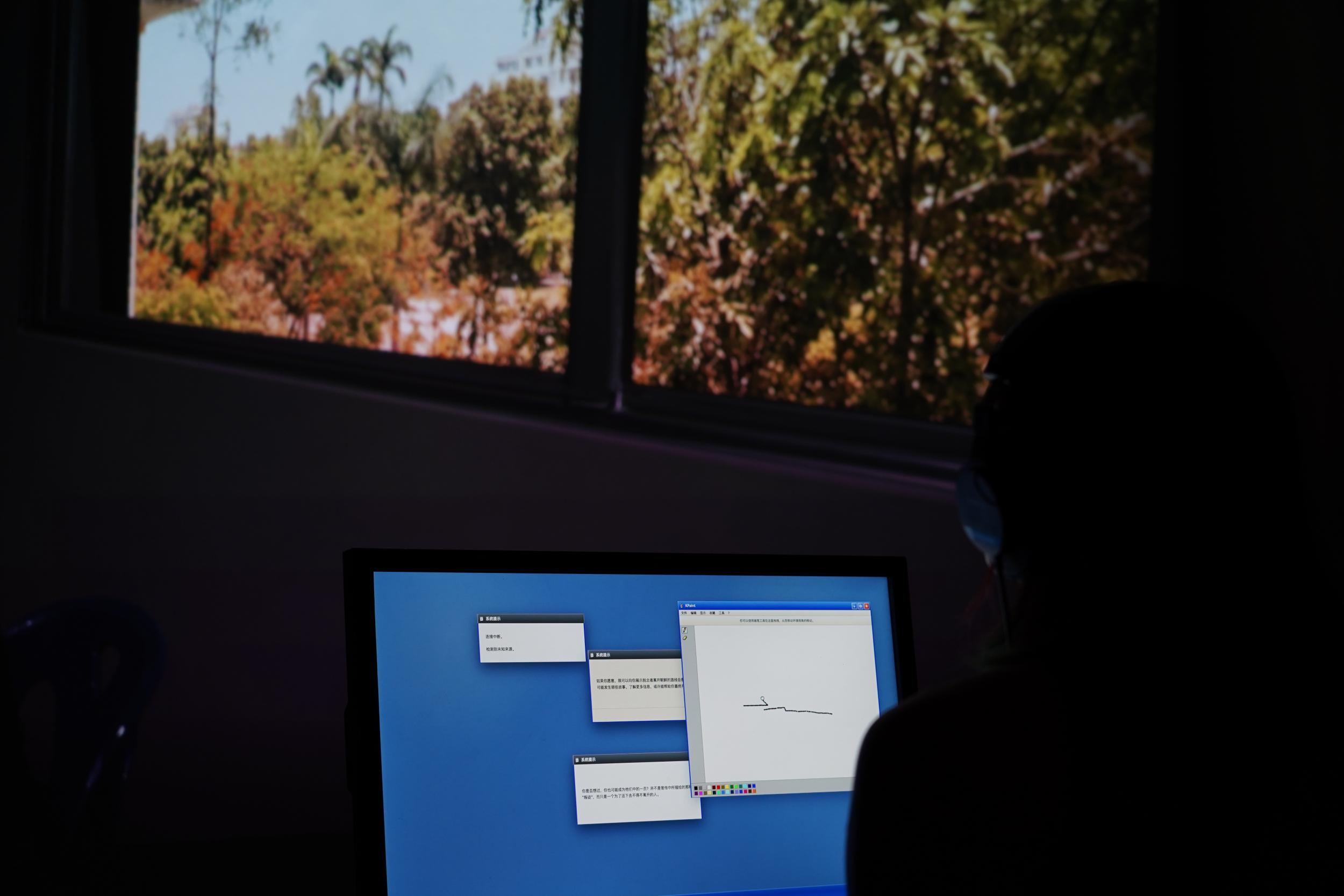
A Long Way South is a web-based interactive installation that explores the journeys of North Korean defectors through a projected map, 3D environments, sound design, and fragmented narrative. The title refers to both a direction and a detour. Although South Korea is geographically “south” of North Korea, direct movement across the border is politically impossible for most defectors. Instead, the journey often becomes a prolonged and dangerous route through China, hidden transit networks, Southeast Asia, and eventually South Korea. The project responds to the ways North Korean defection is often represented in mainstream media. Defector stories are frequently framed through dramatic border crossings, rescue narratives, or highly emotional testimonies. While these moments are important, they can also reduce defection to a single climactic escape and overlook the longer processes of waiting, dependency, risk, adaptation, and rebuilding life after arrival. A Long Way South aims to move beyond this simplified structure by creating a slower and more contextual form of witnessing. In the installation, viewers interact with a web-based controller while a public projection displays the larger route. As the experience unfolds, viewers move through a series of spatial story points, including border areas, transit vehicles, temporary shelters, forest crossings, waiting spaces, and resettlement environments. Each scene contains environmental details, sound, objects, and short text fragments that gradually reveal different aspects of the journey. Rather than presenting information all at once, the project allows meaning to emerge through looking, listening, and moving. The project is grounded in counter-mapping, critical cartography, and evidence-based spatial storytelling. It treats the map not as a neutral geographic tool, but as a constructed narrative shaped by power, visibility, uncertainty, and ethical limits. Drawing from reports, documentaries, academic research, interviews, and public testimonies, the work does not attempt to create a perfect simulation. Instead, it builds an evidence-informed environment that acknowledges what can be shown, what must remain hidden, and what remains uncertain. Ultimately, A Long Way South uses interactive media to reconsider how political and humanitarian stories can be represented. Its goal is not to sensationalize escape or turn suffering into spectacle, but to create a careful space where viewers can engage with defection as a complex human journey shaped by movement, interruption, waiting, and the difficult process of beginning again.
Photos
Project Logbook
Website: https://dennywang.cargo.site/
Keywords: Social Impact, North Korean Defectors, Participatory Installation, Counter-mapping, Spatial Storytelling
Copyright Statement: 3D Models Partially from Sketchfab