

A visualization of obsession, automation, and the pleasure of being scraped.
Project Video: https://youtube.com/shorts/fAL-xjBWreA
Abstract
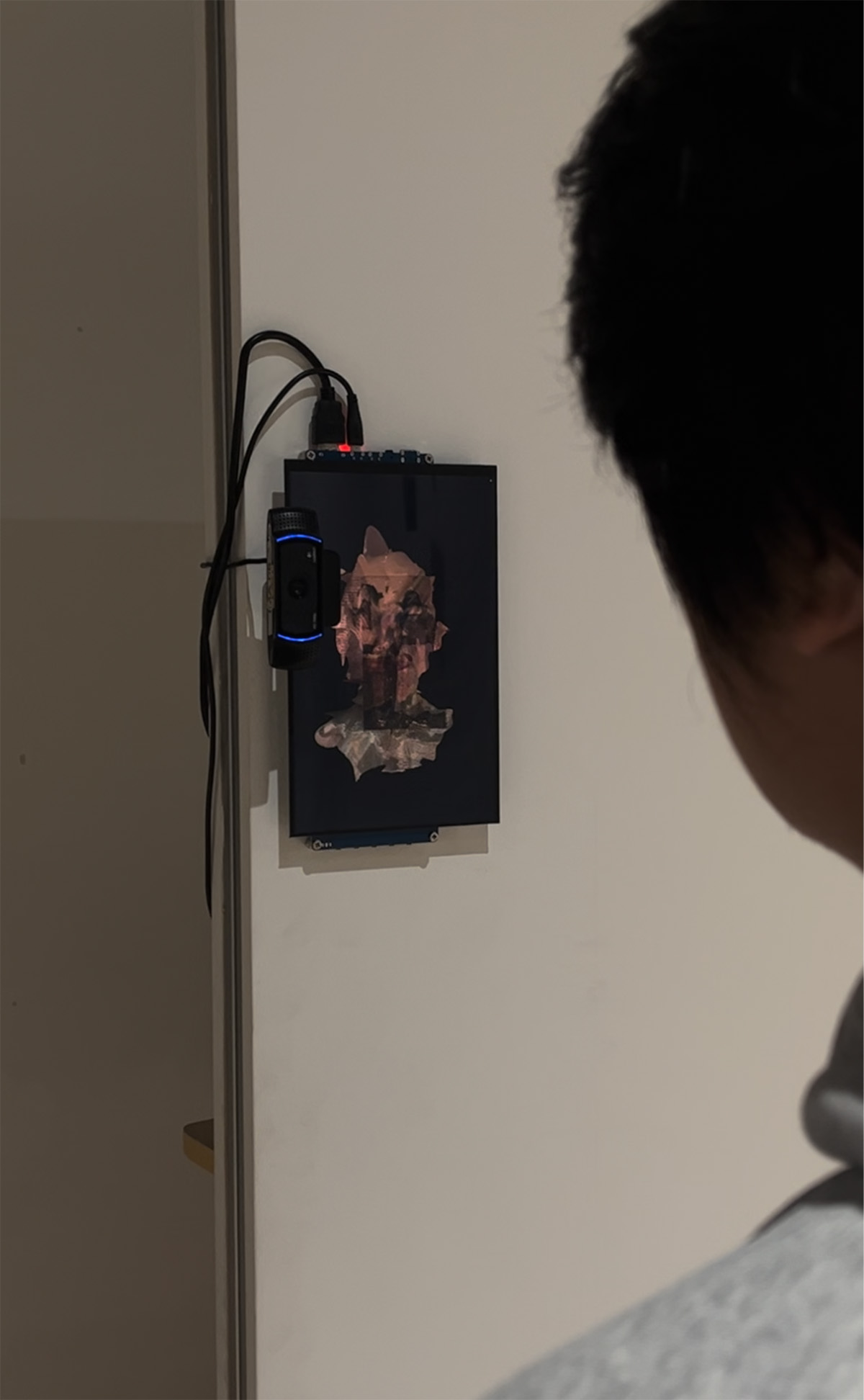
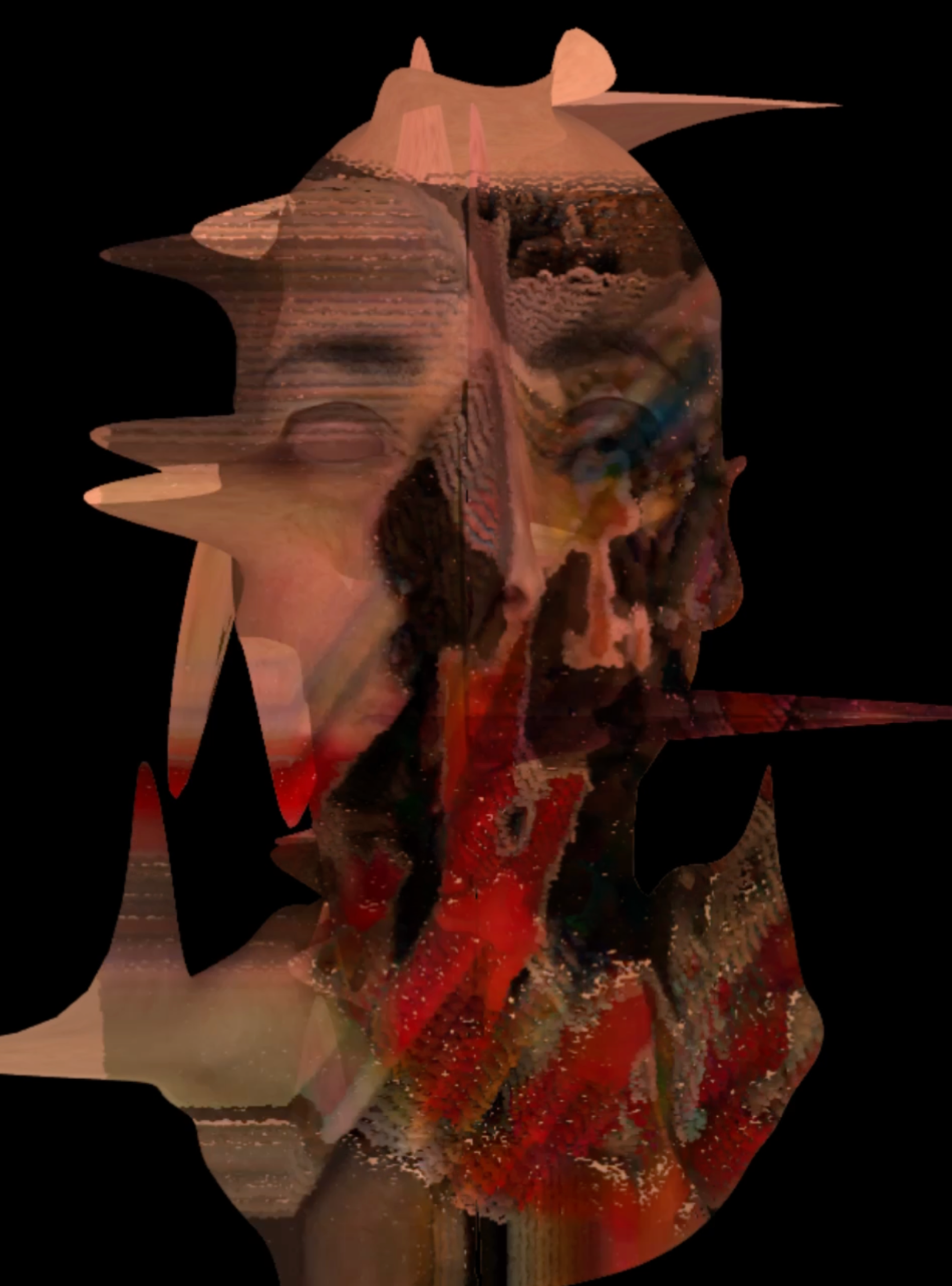
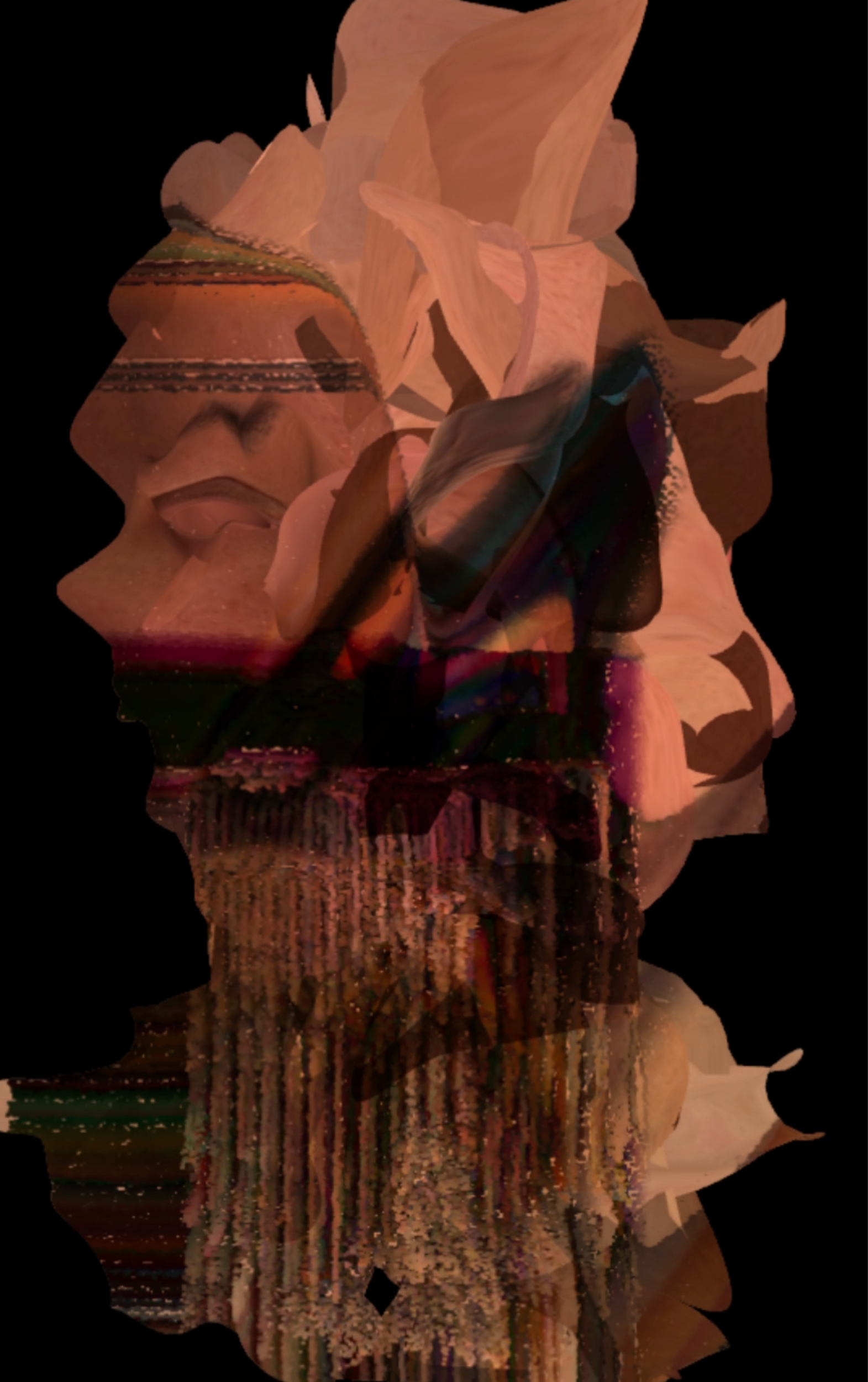
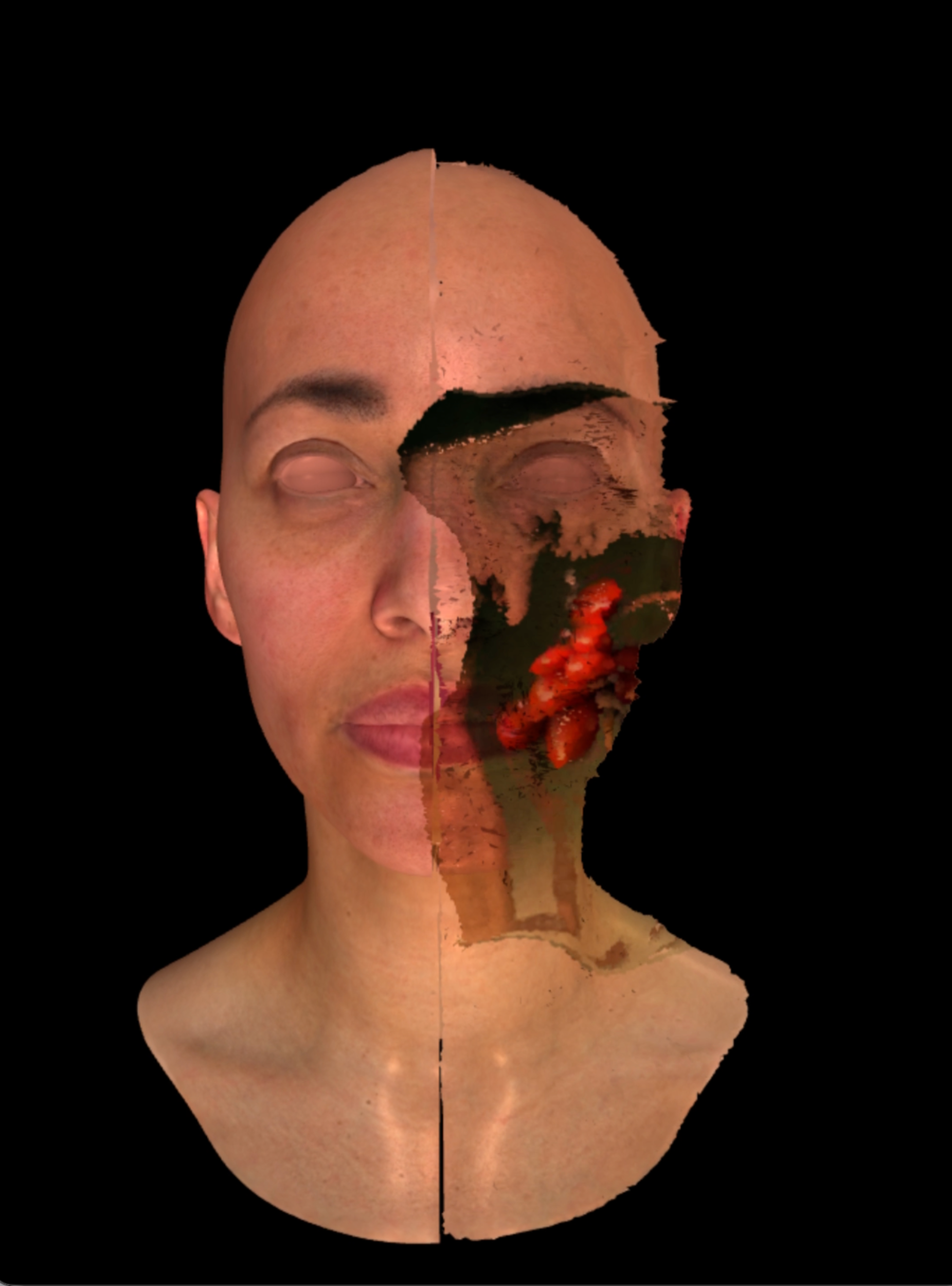
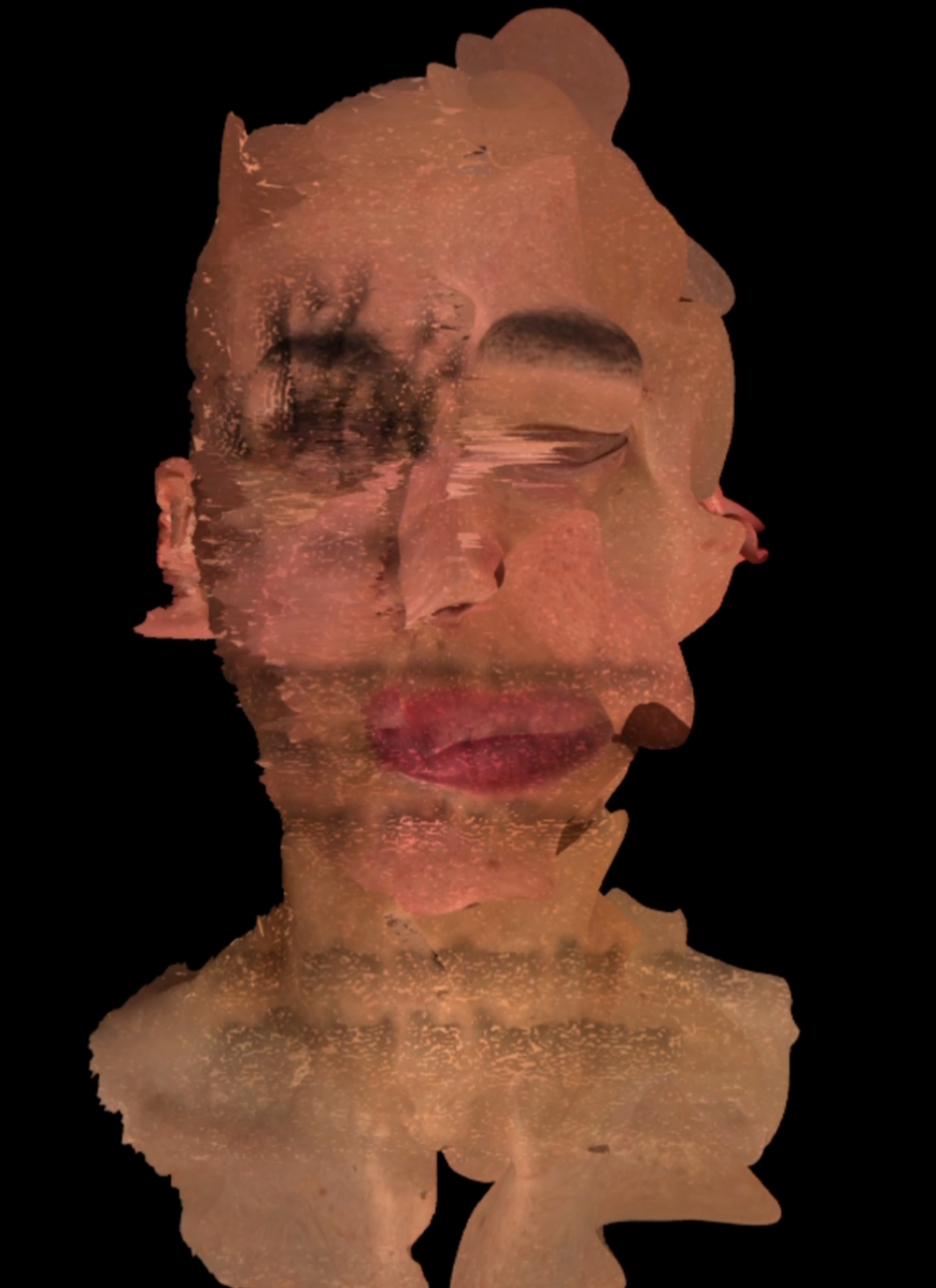
ScrapeMeHarder explores the complicated and sometimes uncomfortable relationship between humans and algorithms. Today, classification algorithms and probabilistic models do more than just compute or categorize information, they quietly shape how people perceive themselves through data, often carrying hidden or unnoticed biases. At the same time, there is a strong human desire to be seen and understood, even by the very systems that reduce us to patterns of information. Inside algorithmic systems, identity gets broken down into measurable traits, probabilities, and vectors. Instead of recognizing us as unique individuals, machines read us as patterns that overlap with many other people. In the eyes of the machine, we are less a single person and more an amalgamation of shared traits pulled from a much larger group. What the system recognizes as “you” is not entirely you, but a statistical version of you built from pieces of everyone else. This project sits in that tension: between the comfort of being recognized and the misleading avenues of being scraped. Through real-time human detection, automated web scraping of trait-based images, and algorithmic analysis, the project demonstrates how complex human identity can be reduced to patterns, scores, and vectors that a system can recognize. In doing so, it investigates how machines construct their own version of human identity through datasets. What is Web scraping? It is the automated process of collecting data from websites using software. What is Algorithmic analysis? It refers to how machines break down information, identify patterns, and generate decisions or predictions from that data. The project is structured in three parts: Detection, Live Interaction, and Visualization. Detection: uses a single camera to identify participants in real time, translating their physical presence into numerical embeddings that the system can process. Live Interaction: collects images through web scraping and analyzes the detected participant using this limited dataset, demonstrating how algorithms attempt to interpret and score human identity with incomplete knowledge and questionable data. Visualization: uses TouchDesigner to transform these abstract computations into dynamic, interactive graphics, making the algorithmic process visible to the participant. Beyond a technical demonstration, ScrapeMeHarder engages with broader questions about the role of algorithms in society: how they influence self-perception, social evaluation, and the way we understand ourselves in a world increasingly shaped by collective and incomplete data. It invites audiences to consider not only what machines see, but how these interpretations reinforce, and sometimes distort what we believe about ourselves.
Images
Project Logbook
GitHub: https://drive.google.com/drive/folders/1xMaiiN8WNakOLQTl8RFT0Uta9rG1RGm…
Keywords: AI, Interactive Media, Data Visualization, Generative Art, Immersive Environment
Copyright Statement
https://matthewragan.com/teaching-resources/touchdesigner/ - providing tutorials, explanations particularly for subprocess
https://chatgpt.com/ - writing webscrape code
https://docs.derivative.ca/ - documentation for touchdesigner
Stavros Didakis - for providing fingerprint embeddings